




Yorgos Lanthimos is a director who offers no solace. Since his emergence on the international stage, he has forged an unmistakable filmography marked by surgical discomfort, existential absurdity, and, above all, an exploration of confinement as a mechanism for social, psychological, and ideological control. His cinema is a distorted mirror that forces us to question the structures of authority and the cages we build for ourselves and others.
Consistent Confinement: A Filmography Under Lock and Key
Lanthimos’s obsession with entrapment is the most powerful thread throughout his work:
- Physical Confinement and Sickly Authoritarianism in Dogtooth:
In Dogtooth (2009), the director establishes his most brutal premise: physical imprisonment. Parents keep their adult children in total isolation, creating a distorted language and reality. This domestic claustrophobia evokes parallels with the pathological authoritarianism found in Arturo Ripstein’s The Castle of Purity; however, in Lanthimos’s world, control is anchored in an overprotection that devolves into dictatorship, establishing the family as a totalitarian cell. - Social Confinement and Bureaucratic Totalitarianism in The Lobster:
The Lobster (2015) elevates the concept of confinement to the scale of governmental or totalitarian socialism. The premise is as absurd as it is incisive: the single person is shunned, and should they fail to secure a partner through coercion, they are transformed into an animal of their choice. Here, the cage is not a house but a system that regulates intimate existence and biological destiny. The only alternative is the underground—another form of confinement ruled by equally strict authoritarianism. - Manipulative and Psychological Confinement in The Killing of a Sacred Deer:
This 2017 film focuses on psychological entrapment. Two teenagers, weary of the rigidity of their family life, idealize a young outsider. This act of rebellion—wanting to escape one cage (the strict family)—leads them to fall under the spell of another: the manipulative trap of a young man who ultimately demands an impossible sacrifice. It is the cage of moral debt and the illusion of freedom.
Bugonia: The Ideological Enclosure of Conspiracy
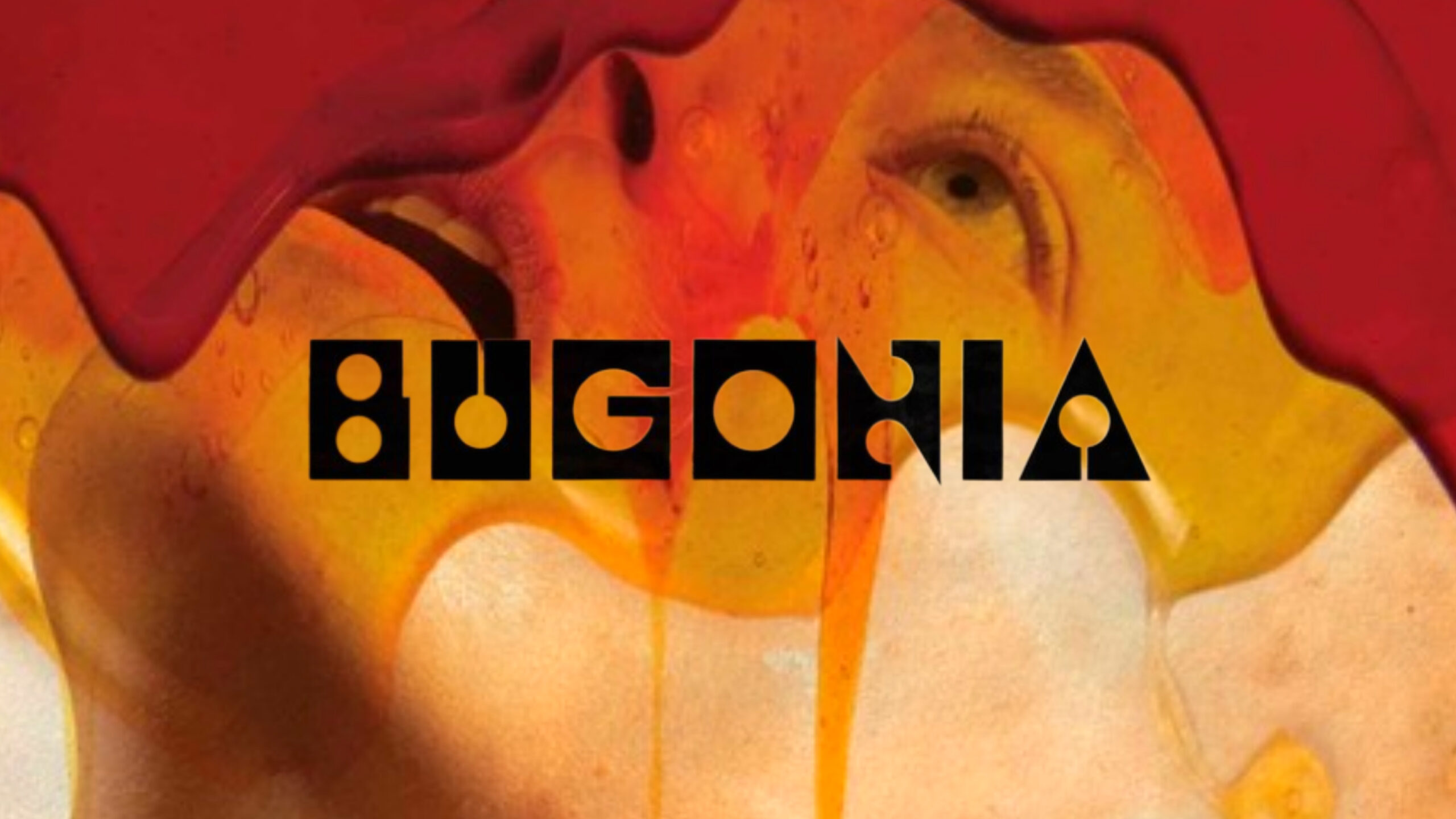
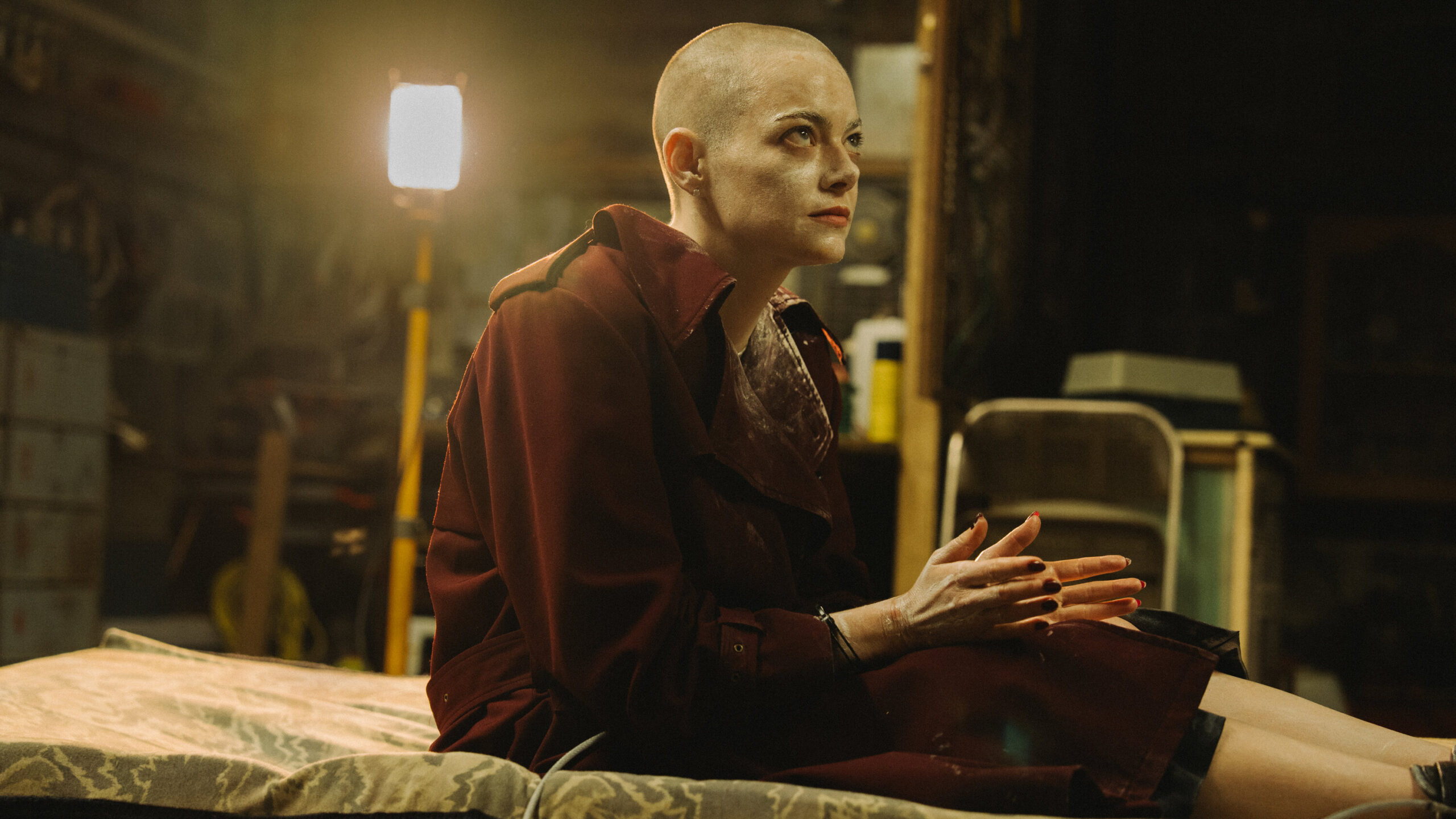
With Bugonia, Lanthimos culminates his exploration of confinement by bringing it to its most contemporary and dangerous plane: the ideological imprisonment generated by the frenetic torrent of social feedback and misinformation.
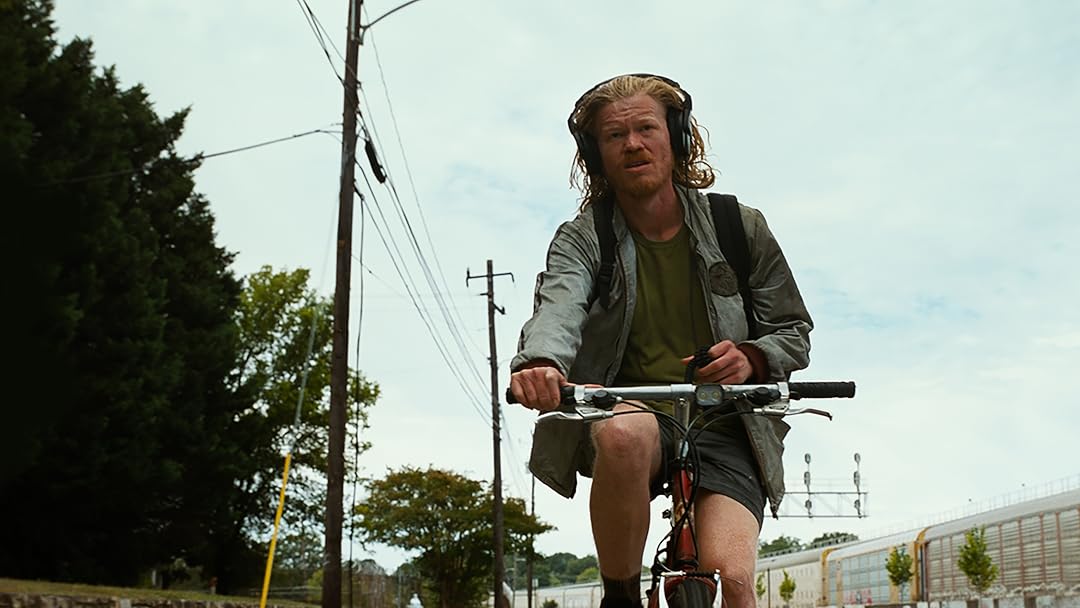
The plot—centered on two young men obsessed with a pharmaceutical CEO they accuse of being an alien manipulating the masses—is a brilliant dissection of our current reality. Bugonia does not lock its characters in a house or a hotel, but rather in the infinite loop of conspiracy theories. The misinformation bubble becomes the new form of authoritarianism, where truth is irrelevant and validation comes from a digital community that reinforces paranoia.
The film functions as an incisive black comedy and drama that is equally hilarious and terrifying. The performances are superb:
- Emma Stone, with calculated intensity and a vulnerability bordering on cruelty, delivers a performance that could easily earn her another statuette.
- Jesse Plemons proves to be the perfect vehicle for modern paranoia, with an interpretation that blends clumsiness with fanatical conviction, making him a serious contender for a nomination.
Both elevate the dramatic comedy to extraordinary heights, placing the viewer in the uncomfortable position of questioning their own stance before the avalanche of (potentially false) information consumed daily.
A Return to Uncomfortable Origins
In my view, Bugonia marks a glorious return for Yorgos Lanthimos to the primal style of Dogtooth. The film does more than just unsettle the viewer with its absurd situations and the helplessness of its characters; it delivers an urgent message regarding our current political and social context.
It is a work that, under the veil of satire, warns us of the ease with which we choose ideological confinement over complex reality. Bugonia leaves a lasting impression—not because it is pleasant, but because it is necessary. It is a potent story backed by masterclass acting.
The true confinement of the 21st century is not physical; it is ideological. In Bugonia, Yorgos Lanthimos locks us within the terror of conspiracy, reminding us that truth is the first casualty of modern paranoia. An uncomfortable, brilliant, and necessary return.